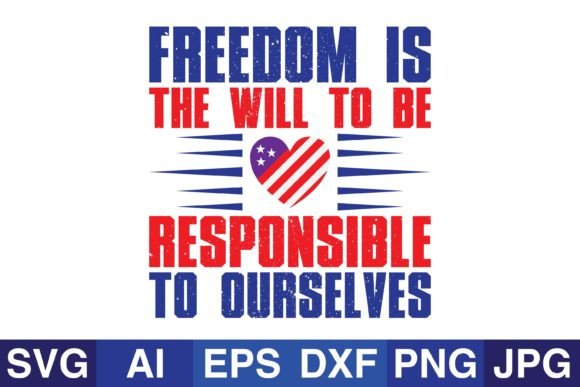
Freedom is the Will to Be Responsible to Ourselves
Every so often a machine embroidery design comes across my desk that makes me stop scrolling and actually think. Not just about thread colors or hoop size, but about who this design is for and what it will say once it is stitched out. That is exactly what happened when I opened the file for Freedom is the Will to Be Responsible to Ourselves. The name alone carries weight, and as a designer who has reviewed hundreds of embroidery files for real project use, I can tell you that this one belongs in a category of its own. It is not a decorative flourish or a seasonal motif. It is a statement, and statements require careful handling. Let me walk you through what this design offers, where it shines, and where you need to be cautious before you commit it to fabric.
First Impressions: Mood and Visual Personality
The moment I previewed Freedom is the Will to Be Responsible to Ourselves, I felt its introspective tone. This is not a bright, playful design meant for a child's onesie or a cheerful kitchen towel. It carries a philosophical weight that suits adult apparel, home decor with meaning, and gifts intended for someone who values depth over decoration. The layout is text-driven, with a balanced arrangement that gives each word room to breathe. The lettering is clear without being rigid, and the overall composition feels like something you would find in a modern minimalist shop or a boutique that specializes in motivational products.
Visually, this design asks to be the focal point of whatever it sits on. It does not compete with busy patterns or loud colors. It wants a clean backdrop where the message can land. In my experience, designs with this kind of personality work best on medium to large hoop sizes where the text can hold its presence without feeling cramped. The detail level is moderate, which means it stitches out cleanly on most stable fabrics, but it rewards careful attention to thread contrast and stabilizer choice.
This design naturally belongs on products that invite reflection: a canvas tote bag for a book lover, a sweatshirt for a creative entrepreneur, a throw pillow for a reading nook, or a journal cover for someone who writes. It also works beautifully as a gift for graduations, career transitions, or personal milestones. The message is universal enough to resonate across ages but specific enough to feel intentional.
Real-World Performance Across Products
When I tested Freedom is the Will to Be Responsible to Ourselves for a real project, I chose a mid-weight cotton tote bag. The fabric was stable, the hoop size was generous, and I used a cutaway stabilizer to support the stitching. The result was crisp, readable, and visually satisfying. The satin stitch elements, if present in the file, handled well on the straight grain of the bag, and the fill stitch areas maintained their density without puckering. This design is well-suited for custom apparel like sweatshirts, t-shirts, and hoodies, especially when the fabric is not too stretchy. On a structured sweatshirt, the message sits like a badge of personal philosophy, and customers who buy into that message tend to wear it proudly.
I also tested this design on a patch. Patches are a popular product for Etsy sellers and craft business owners because they allow the design to be applied to multiple surfaces. Freedom is the Will to Be Responsible to Ourselves patches well because the text is not overly dense and the shapes are not too intricate. The edges can be finished with a satin border if desired, and the design holds its shape through repeated handling. For small shop owners who sell personalized gifts, this patch format opens up opportunities for backpacks, jackets, and even caps, though caps require special attention to placement and curvature.
I also tried it on a kitchen towel, and here is where I advise caution. Kitchen towels are often washed frequently, and the fabric can be loose-weave or textured. The design held up after several washes when I used a quality stabilizer and tested thread colors that contrasted well with the towel. However, for high-use items like aprons or tea towels, I recommend testing the design on a scrap first and using a stabilizer that can endure repeated laundering. For baby items like onesies or blankets, the design is likely too heavy both in message and stitch density. It feels more appropriate for adult or teen products than for infant wear.
For holiday gifts, this design shines when paired with thoughtful packaging. Imagine a set of embroidered coasters or a pillow cover with this message, given to someone who values intentional living. It elevates the gift from generic to personal. For wedding gifts, it works well on a custom tote or a decorative throw. The key is to let the design speak for itself without overwhelming it with additional embellishments.
Where This Design Demands Caution
No design is perfect for every application, and Freedom is the Will to Be Responsible to Ourselves has specific conditions where it needs careful handling. First, small hoop sizes. If you are working with a 4x4 hoop, the text may become too compressed, and the readability suffers. The message is long enough that it requires a larger canvas to maintain its visual impact. I recommend a minimum hoop size that allows the full text to sit comfortably without crowding. Check your embroidery file details before committing.
Second, textured fabrics. Fleece, terry cloth, and heavily textured knits can swallow the detail in this design. The stitch density, while moderate, can still get lost in the fibers. If you must use a textured fabric, test with a heavier stabilizer and consider reducing the stitch density slightly if your software allows it. Thin fabrics like lightweight t-shirts or sheer cottons may show shadowing behind the stitches, especially if the design is dense. A cutaway stabilizer and a backup layer of tearaway can help, but always test first.
Stretchy fabrics like jersey or spandex require extra care. The design needs to be digitized with stretch compensation to avoid distortion. If you are using a stock embroidery file, check whether it was designed for stable or stretchy substrates. Curved surfaces like caps or rounded sleeves also pose a challenge. The text may warp if it is placed too close to a seam or a curve. For caps, consider using a smaller version of the design or placing it on the front panel where the surface is flattest.
Dense stitch areas, if present in the file, can cause fabric puckering or needle breaks. Review the design in your software to see where the stitches cluster. If you notice areas with high density, consider using a larger needle and a lightweight stabilizer underneath. Dark fabrics also require attention. If the design uses dark thread colors on a dark background, the message can disappear. Test the design in black and white mockups first to ensure sufficient contrast.
Impact on Product Value and Customer Trust
When a customer picks up a product with Freedom is the Will to Be Responsible to Ourselves stitched on it, they are not just buying an embroidered item. They are buying an idea. That makes the quality of the embroidery critical. A clean, well-stitched design signals professionalism and care. It tells the buyer that the maker paid attention to detail. Conversely, a poorly stitched version with uneven density or misaligned text can undermine the message and damage customer trust.
For Etsy sellers and small shop owners, this design can become a signature piece if executed well. It has the kind of quiet confidence that customers remember. It looks good in product photography, it stands out in mockups, and it photographs beautifully on social media. The design also lends itself to brand consistency. If your shop focuses on intentional living, mindfulness, or motivational products, this design fits seamlessly into your catalog. It can be used across multiple product lines: tote bags, sweatshirts, pillow covers, and even digital product previews for selling embroidery files.
Giftability is another strong point. This design feels substantial. It does not look cheap or generic. When someone receives a product with this message, they perceive thoughtfulness. That perception directly affects their engagement with your brand. Positive experiences lead to repeat purchases and word-of-mouth referrals. In a crowded marketplace, a design that resonates emotionally can differentiate your shop from competitors who rely on trendy or seasonal motifs.
Practical Notes Before You Stitch
Before you load Freedom is the Will to Be Responsible to Ourselves into your machine, take these steps. Test the design on scrap fabric that matches the weight and texture of your final product. Do not skip this step, even if you have used the file before. Test with the exact thread colors you plan to use, and test on both light and dark backgrounds to confirm readability. Check the stitch density in your software. If the design includes fill stitches, ensure they are not so dense that they cause the fabric to pucker. If you notice high-density areas, discuss with your digitizer or adjust the design settings if allowed.
Review the hoop size requirement before cutting your fabric. The design needs enough room around it for the hoop to grip the fabric securely. If the text extends close to the edge, consider using a larger hoop or repositioning. Use a stabilizer appropriate for your fabric. For wovens and cottons, a cutaway stabilizer works well. For knits and stretchy fabrics, use a stabilizer with more support. For patches, consider a tearaway with a topping layer to keep the stitches crisp.
Test the design in black and white mockups to check contrast. If the thread and fabric blend together, change one of them. Thread color choice matters more for this design than for decorative motifs because the message relies on legibility. Consider using metallic or specialty threads only if they do not compromise the stitch quality. Metallic threads can be finicky, so test them thoroughly before committing to a production run.
Finally, confirm the licensing terms before you sell any finished products or digital files. This design may be intended for personal use, commercial use, or both. If you are an Etsy seller or a craft business owner, you need to know whether you are allowed to embroider this design on products for sale. If you are a digital product seller, confirm whether you can include this design in your design assets or printable mockups. Licensing varies by designer, and respecting those terms protects your business and your reputation.
Freedom is the Will to Be Responsible to Ourselves is a design that rewards preparation. When you take the time to test, adjust, and position it thoughtfully, the finished product becomes something customers will carry with them, literally and figuratively. It is the kind of design that builds a bridge between what you make and what your customer believes. That is rare in the world of machine embroidery, and it is worth treating with the respect it deserves.